Share

Explore Plants

Welcome to the Native Plant Information Network (NPIN). Our goal is to assemble and disseminate information that will encourage the sustainable use and conservation of native wildflowers, plants and landscapes throughout North America.

Contact Us | About NPIN | NPIN Personnel | NPIN Updates | Support NPIN.

Search native plant database:
Name:    
Family:    

Explore Plants:

Native Plant Database - Search 7,415 native plant records by traits or names.
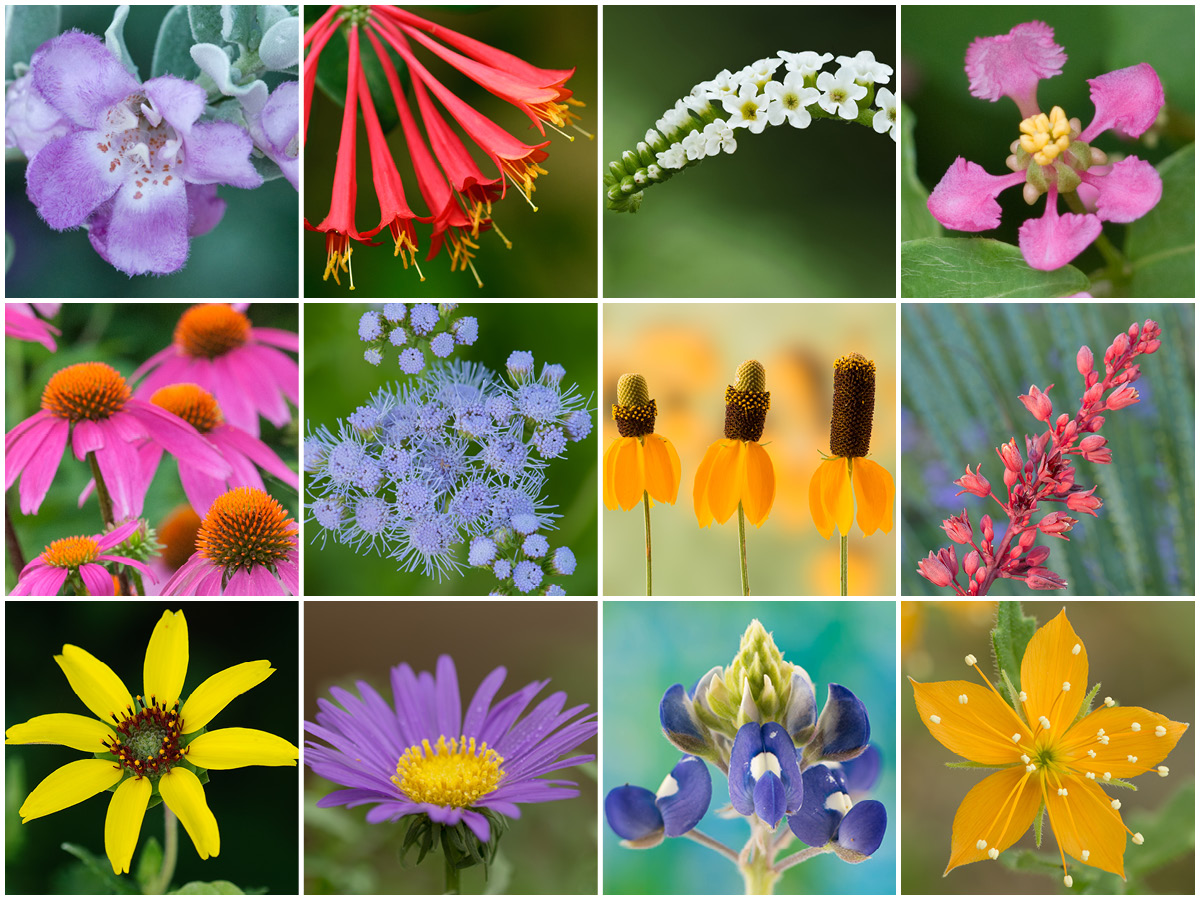
Image Gallery - Browse through our collection of 30,412 native plant images.
Ask Mr. Smarty Plants - Have a question? Mr. Smarty Plants has 8,347 answers.
How To Articles - Don't know where to start, try one of our articles.
Wildflower Quiz - Test your plant identification knowledge.

NPIN Mobile

It's NPIN Mobile to the rescue. Starting now, you can access the Native Plant Information Network with your web-enabled smartphone. When you pull up the application, four choices appear on your screen—the Native Plant Database, the Image Gallery, Mr. Smarty Plants and "Help Us Grow" which allows you to make a financial contribution to support the Native Plant Information Network.

www.wildflower.org/mobile

Recommended Species Lists

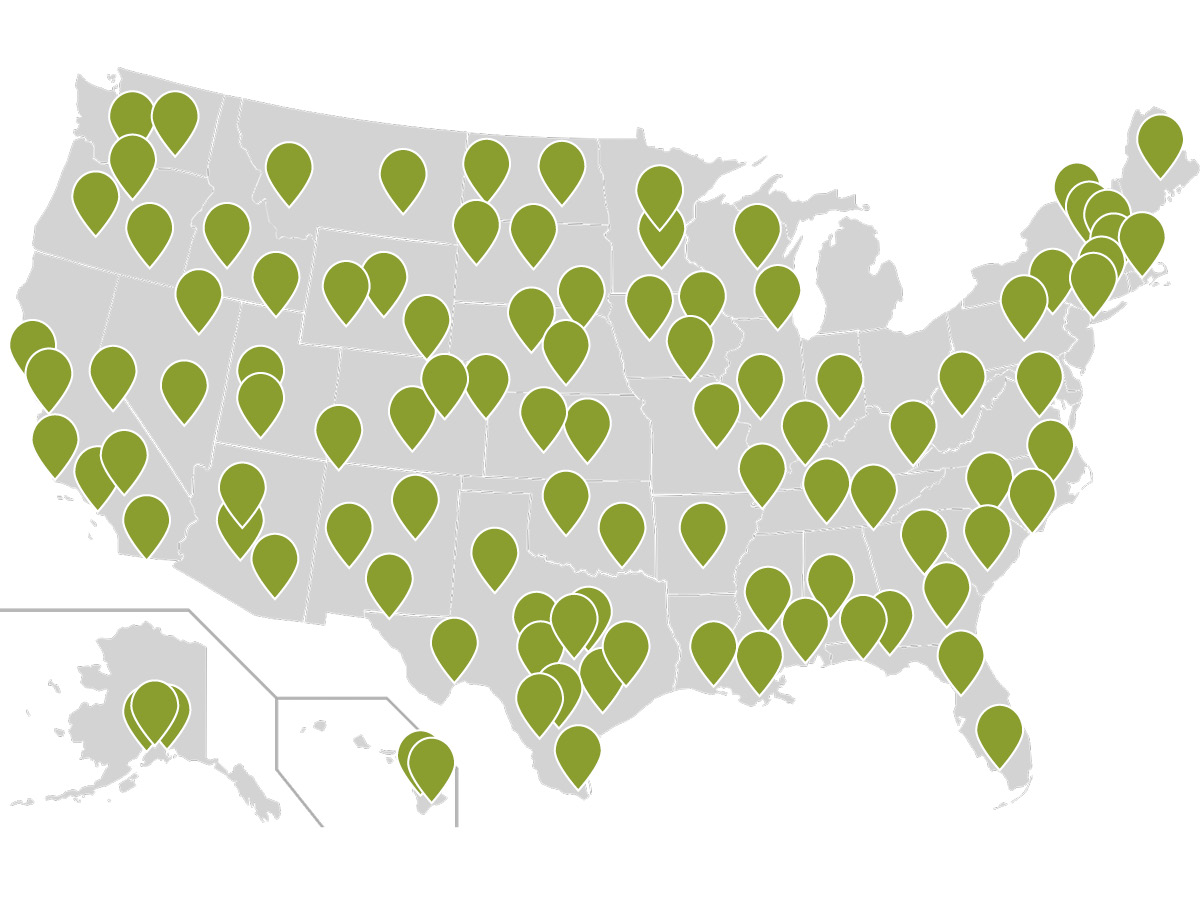
Find native plant species by state. Each list contains commercially available species suitable for gardens and planned landscapes. Once you have selected a collection, you can browse the collection or search within it using the combination search.

View Recommended Species page

Regional Spotlight: California

Refresh your browser to reload a “random” region or pick your own:
Northeast | Mid-Atlantic | Southeast | Midwest | Rocky Mountain | Southwest | California | Northwest | Canada

Native plant: Diplacus longiflorus (Southern bush monkeyflower) A much-branched, woody sub-shrub, 1-3 ft. tall and wide. The light-green lance-shaped leaves curl and become sticky on hot days. Tubular flowers are borne in profusion with the usual monkey face appearance. Flower color ranges from apricot to buff to almost white.
read more about this species or search for others

Mr. Smarty Plants: Do you have a sense of a peak viewing time for Bluebonnets for this spring?
read the answer or search Mr. Smarty Plants

Supplier: Antelope Valley Resource Conservation District Nursery (Lancaster, CA) We are a conservation nursery specializing in plants that are for windbreaks, soil erosion, and wildlife habitat. We carry over 125 items to support this cause.
read more about this supplier or search for others

Organization: Center for Agroecology and Sustainable Food Systems, The (Santa Cruz, CA)
Increase understanding of social, economic, political, and ethical foundations of agricultural sustainability; establish ecological and agronomic basis for sustainable production systems; demonstrate use of above info.
read more about this organization or search for others

Book: "California Wildfire Landscaping" (Dallas: Taylor Pub.) From Booklist: An explanation of the history of California's wildfires and how they develop is Gilmer's introduction to this guide to assisting homeowners in preventing a devastating loss. Advice deals with areas pertaining to planning the construction and siting of a home, the managing of native plantings, landscaping with so-called fire-resistant ornamental plants and irrigating systems, designing groupings of various species, and maintaining plants and equipment. Additional counsel covers coping with a wildfire and erosion control. Gilmer lists support agencies for those who have suffered the effects of a fire and provides resources for the purchase of plants. This practical handbook features informative tips throughout and should prove useful for California residents concerned with learning as much as possible about "firescaping." Alice Joyce
read more about this book or search for others